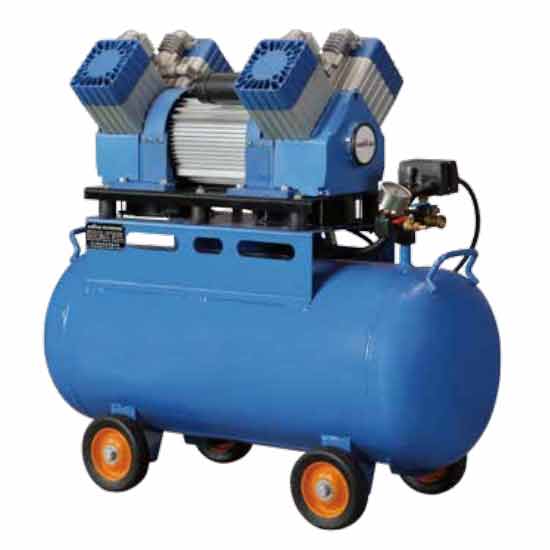
Choosing the right oil pump for your machinery, equipment, or vehicle is crucial for optimal performance and long-term reliability. An oil pump ensures the circulation of oil throughout the engine, preventing overheating and reducing friction. However, with a wide variety of
oil pumps available in the market, it can be challenging to know which one is best suited for your needs. In this guide, we’ll explore the key factors you should consider when selecting the proper oil pump, ensuring it meets your specific requirements and helps improve the longevity and efficiency of your equipment.
1. Understand the Type of Oil Pump You Need
Oil pumps come in various types, and the choice of pump largely depends on the application. The two most common types of oil pumps are:
Gear Pumps: These are the most common type of oil pumps used in automotive and industrial applications. Gear pumps are simple, reliable, and provide a steady flow of oil at a consistent pressure. They are suitable for high-pressure systems and work well in small to medium-sized engines.
Rotary Pumps: Rotary pumps are used when a continuous and steady flow of oil is required. These pumps are common in larger engines, hydraulic systems, and industrial machinery.
Understand the type of oil pump best suited for your system. For example, if you're dealing with high-pressure hydraulic systems, a gear pump might be more appropriate. Conversely, for lower pressure or larger systems, a rotary pump might be a better option.
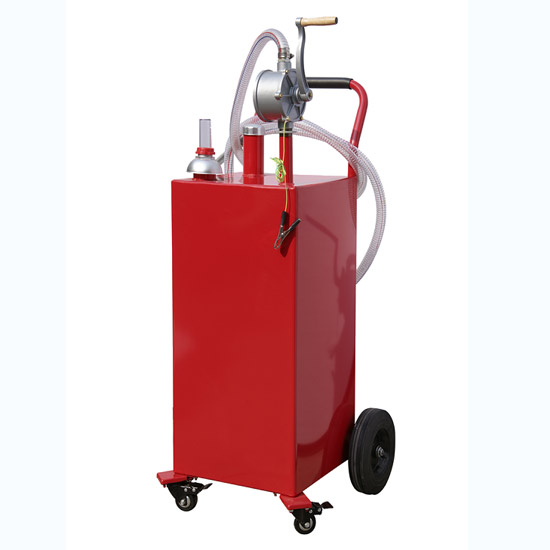
Oil Pump
2. Consider Flow Rate and Pressure Requirements
The flow rate and pressure of the oil pump are critical factors that ensure proper oil circulation and distribution. Flow rate is measured in gallons per minute (GPM) or liters per minute (LPM), and pressure is usually measured in PSI (pounds per square inch) or bar. These two parameters determine how much oil is pumped and how forcefully it is circulated within the engine or system.
When selecting a pump, make sure that the flow rate matches the engine or system's requirements. Too much flow can cause over-pressurization, while too little flow can result in insufficient lubrication, leading to overheating and potential damage.
For instance, smaller engines or systems may require an oil pump with a lower flow rate, while large industrial equipment or heavy-duty machinery may need a pump with a higher flow rate and pressure capability to ensure proper lubrication under heavy loads.
3. Evaluate Compatibility with Your Engine or System
It's essential to ensure that the oil pump is compatible with your engine or system. Compatibility affects both the pump's efficiency and its ability to deliver the required lubrication. Consider the following factors:
Mounting Type: The mounting configuration of the oil pump should match the engine or system design. Some pumps may require a specific mount or housing, while others are designed to be more universal.
Oil Viscosity: The viscosity of the oil used in your system is another important factor. Thicker oils require more power to pump, so make sure the pump is capable of handling the viscosity of the oil you plan to use.
Pump Capacity: Ensure the pump has the right capacity to circulate the required amount of oil at the appropriate pressure. Check the manufacturer’s specifications for your engine or system for detailed capacity requirements.
Always check the technical specifications of your engine or machinery and compare them with the pump's specifications to guarantee compatibility and optimal performance.
4. Assess Durability and Material Quality
Since oil pumps operate under high pressure and sometimes extreme temperatures, selecting a pump made from durable materials is essential to ensure longevity and prevent premature wear. Quality oil pumps are made from high-grade materials such as:
Cast Iron: Cast iron is a strong, durable material commonly used in oil pumps due to its resistance to wear and corrosion. It is ideal for handling high-pressure environments.
Aluminum: Lightweight and resistant to corrosion, aluminum oil pumps are commonly used in smaller or lower-pressure systems.
Stainless Steel: Stainless steel is a corrosion-resistant material often used for oil pumps in high-temperature environments, such as those found in marine or industrial applications.
When selecting an oil pump, ensure that the material is suitable for the operating conditions and will provide long-lasting performance. If the pump will be exposed to moisture or harsh environments, look for one with corrosion-resistant properties.
5. Determine the Pump's Maintenance Requirements
Regular maintenance is crucial to ensuring the longevity and efficiency of your oil pump. Some oil pumps require frequent maintenance, while others are more low-maintenance and built for longer intervals between service checks.
Look for oil pumps that are designed for easy maintenance, with features such as accessible filters, easy-to-clean components, and easily replaceable parts like seals or gaskets. Choosing a pump that is easy to maintain will help reduce downtime and ensure your machinery or engine continues to perform optimally.
Also, consider whether the oil pump includes built-in features, such as pressure relief valves or bypass systems, that can protect the pump from damage in the event of a blockage or over-pressurization.
6. Price and Warranty Considerations
Price is often a deciding factor when purchasing an oil pump, but it’s important not to sacrifice quality for a lower price. Cheap oil pumps may be less reliable, have lower efficiency, or wear out faster, leading to more frequent replacements and higher long-term costs. It’s important to balance the cost of the pump with its performance and durability.
Additionally, check the warranty and support provided by the manufacturer. A solid warranty can provide peace of mind in case the pump develops issues after purchase. Many reputable manufacturers offer warranties ranging from one year to five years, and a longer warranty period can be an indication of the pump’s quality and durability.
7. Customer Reviews and Manufacturer Reputation
Before making your final decision, take the time to read customer reviews and research the reputation of the manufacturer. Customer reviews provide valuable insights into the pump’s performance, reliability, and ease of installation. Check reviews on trusted platforms like Amazon, industry forums, or the manufacturer’s website to gauge user satisfaction and identify any potential problems with the pump.
Look for pumps from well-established manufacturers with a reputation for producing high-quality, reliable components. A reputable manufacturer will likely have a track record of producing pumps that are engineered for performance and durability.
Frequently Asked Questions (FAQs)
1. How can I tell if my oil pump is failing?
Signs of a failing oil pump can include low oil pressure, unusual engine noises (such as knocking or whining), and engine overheating. If you notice any of these signs, it’s important to inspect the oil pump and consider replacing it to avoid further engine damage.
2. Can I replace my oil pump myself?
Replacing an oil pump can be a complex task that requires mechanical expertise. While some experienced DIYers may be able to replace an oil pump on their own, it’s recommended to have a professional mechanic handle the replacement to ensure it’s done correctly and safely.
3. What happens if I use the wrong oil pump for my system?
Using the wrong oil pump can lead to inadequate oil circulation, which can cause engine damage due to friction and overheating. It can also lead to oil leaks, poor lubrication, and ultimately, system failure. Always ensure the pump is compatible with your system’s requirements to avoid these issues.
4. How often should I maintain my oil pump?
The frequency of oil pump maintenance depends on the type of pump and the system it is used in. Regularly check the oil pump for signs of wear or damage and follow the manufacturer’s recommended maintenance schedule. Generally, it’s a good idea to inspect the pump every 6-12 months for optimal performance.
In conclusion, selecting the right oil pump requires a thoughtful approach. By understanding the type, flow rate, material quality, and compatibility with your system, you can make an informed decision and ensure that your machinery or vehicle runs smoothly and efficiently for years to come.
Gear Pumps: These are the most common type of oil pumps used in automotive and industrial applications. Gear pumps are simple, reliable, and provide a steady flow of oil at a consistent pressure. They are suitable for high-pressure systems and work well in small to medium-sized engines.
Rotary Pumps: Rotary pumps are used when a continuous and steady flow of oil is required. These pumps are common in larger engines, hydraulic systems, and industrial machinery.
Understand the type of oil pump best suited for your system. For example, if you're dealing with high-pressure hydraulic systems, a gear pump might be more appropriate. Conversely, for lower pressure or larger systems, a rotary pump might be a better option.
2. Consider Flow Rate and Pressure Requirements
The flow rate and pressure of the oil pump are critical factors that ensure proper oil circulation and distribution. Flow rate is measured in gallons per minute (GPM) or liters per minute (LPM), and pressure is usually measured in PSI (pounds per square inch) or bar. These two parameters determine how much oil is pumped and how forcefully it is circulated within the engine or system.
When selecting a pump, make sure that the flow rate matches the engine or system's requirements. Too much flow can cause over-pressurization, while too little flow can result in insufficient lubrication, leading to overheating and potential damage.
For instance, smaller engines or systems may require an oil pump with a lower flow rate, while large industrial equipment or heavy-duty machinery may need a pump with a higher flow rate and pressure capability to ensure proper lubrication under heavy loads.
3. Evaluate Compatibility with Your Engine or System
It's essential to ensure that the oil pump is compatible with your engine or system. Compatibility affects both the pump's efficiency and its ability to deliver the required lubrication. Consider the following factors:
Mounting Type: The mounting configuration of the oil pump should match the engine or system design. Some pumps may require a specific mount or housing, while others are designed to be more universal.
Oil Viscosity: The viscosity of the oil used in your system is another important factor. Thicker oils require more power to pump, so make sure the pump is capable of handling the viscosity of the oil you plan to use.
Pump Capacity: Ensure the pump has the right capacity to circulate the required amount of oil at the appropriate pressure. Check the manufacturer’s specifications for your engine or system for detailed capacity requirements.
Always check the technical specifications of your engine or machinery and compare them with the pump's specifications to guarantee compatibility and optimal performance.
4. Assess Durability and Material Quality
Since oil pumps operate under high pressure and sometimes extreme temperatures, selecting a pump made from durable materials is essential to ensure longevity and prevent premature wear. Quality oil pumps are made from high-grade materials such as:
Cast Iron: Cast iron is a strong, durable material commonly used in oil pumps due to its resistance to wear and corrosion. It is ideal for handling high-pressure environments.
Aluminum: Lightweight and resistant to corrosion, aluminum oil pumps are commonly used in smaller or lower-pressure systems.
Stainless Steel: Stainless steel is a corrosion-resistant material often used for oil pumps in high-temperature environments, such as those found in marine or industrial applications.
When selecting an oil pump, ensure that the material is suitable for the operating conditions and will provide long-lasting performance. If the pump will be exposed to moisture or harsh environments, look for one with corrosion-resistant properties.
5. Determine the Pump's Maintenance Requirements
Regular maintenance is crucial to ensuring the longevity and efficiency of your oil pump. Some oil pumps require frequent maintenance, while others are more low-maintenance and built for longer intervals between service checks.
Look for oil pumps that are designed for easy maintenance, with features such as accessible filters, easy-to-clean components, and easily replaceable parts like seals or gaskets. Choosing a pump that is easy to maintain will help reduce downtime and ensure your machinery or engine continues to perform optimally.
Also, consider whether the oil pump includes built-in features, such as pressure relief valves or bypass systems, that can protect the pump from damage in the event of a blockage or over-pressurization.
6. Price and Warranty Considerations
Price is often a deciding factor when purchasing an oil pump, but it’s important not to sacrifice quality for a lower price. Cheap oil pumps may be less reliable, have lower efficiency, or wear out faster, leading to more frequent replacements and higher long-term costs. It’s important to balance the cost of the pump with its performance and durability.
Additionally, check the warranty and support provided by the manufacturer. A solid warranty can provide peace of mind in case the pump develops issues after purchase. Many reputable manufacturers offer warranties ranging from one year to five years, and a longer warranty period can be an indication of the pump’s quality and durability.
7. Customer Reviews and Manufacturer Reputation
Before making your final decision, take the time to read customer reviews and research the reputation of the manufacturer. Customer reviews provide valuable insights into the pump’s performance, reliability, and ease of installation. Check reviews on trusted platforms like Amazon, industry forums, or the manufacturer’s website to gauge user satisfaction and identify any potential problems with the pump.
Look for pumps from well-established manufacturers with a reputation for producing high-quality, reliable components. A reputable manufacturer will likely have a track record of producing pumps that are engineered for performance and durability.
Frequently Asked Questions (FAQs)
1. How can I tell if my oil pump is failing?
Signs of a failing oil pump can include low oil pressure, unusual engine noises (such as knocking or whining), and engine overheating. If you notice any of these signs, it’s important to inspect the oil pump and consider replacing it to avoid further engine damage.
2. Can I replace my oil pump myself?
Replacing an oil pump can be a complex task that requires mechanical expertise. While some experienced DIYers may be able to replace an oil pump on their own, it’s recommended to have a professional mechanic handle the replacement to ensure it’s done correctly and safely.
3. What happens if I use the wrong oil pump for my system?
Using the wrong oil pump can lead to inadequate oil circulation, which can cause engine damage due to friction and overheating. It can also lead to oil leaks, poor lubrication, and ultimately, system failure. Always ensure the pump is compatible with your system’s requirements to avoid these issues.
4. How often should I maintain my oil pump?
The frequency of oil pump maintenance depends on the type of pump and the system it is used in. Regularly check the oil pump for signs of wear or damage and follow the manufacturer’s recommended maintenance schedule. Generally, it’s a good idea to inspect the pump every 6-12 months for optimal performance.
In conclusion, selecting the right oil pump requires a thoughtful approach. By understanding the type, flow rate, material quality, and compatibility with your system, you can make an informed decision and ensure that your machinery or vehicle runs smoothly and efficiently for years to come.